If you have spent any arvo spinning reels on a phone, you have probably noticed how online casino software providers html5 changed the whole experience. No more waiting for Flash to load or forcing a laptop open just to chase a bonus round. For Aussie punters, that shift matters more than most realise, because a lot of us drop in between shifts, on the ferry home, or while the telly’s on in the background. The technology underneath the games is what decides whether a session feels smooth or clunky, and whether your balance behaves the way you expect when you move from desktop to mobile. I have watched this space long enough to know that the build quality separates a proper operator from one that just throws a licence on a shelf and hopes for the best.
What the tech actually delivers when you load a game

When you tap into a pokies session or sit down at a live table, the first thing you are really testing is how the software handles load times, animations, and touch controls. The older Flash era left a lot of operators scrambling, and the move to html5 gave developers a cleaner way to serve the same titles across browsers without forcing players to install anything extra. For Australian players, that means the same game you open on a laptop at home usually behaves the same way on a phone at the servo, which sounds simple until you have sat through a laggy spin that costs you the timing on a bonus feature. A decent build keeps the maths visible, the paytable accessible, and the controls responsive, rather than dressing everything up in effects that slow the session down.
The practical side is what I have always judged operators on, because I have seen plenty of affiliate pages promise a polished library and then deliver a stack of titles that stutter on mobile. A solid operator keeps the library tight, runs the games through a stable client, and treats the mobile view as the main event rather than an afterthought. That is where the comparison overseas gets interesting. In the US and parts of Europe, operators often run multi-provider setups with separate skins and regional game locks, whereas down here we tend to see a more consolidated approach where the same build travels across devices without a second login or a different wallet. If you are weighing up a multi-provider setup, it helps to read a guide on choosing a multi-provider casino for Australian players before you assume more titles automatically means a better session.
| Trait | What you usually get | What to watch for |
|---|---|---|
| Load speed | Fast start on most modern browsers | Delays on older devices or crowded servers |
| Mobile fit | Touch controls and readable paytables | Buttons too small or menus buried |
| Game consistency | Same title behaves across desktop and phone | Different rules or limits depending on device |
| Session stability | Smooth spins and clear bet controls | Dropped frames or stutter during bonuses |
Hannah Murphy, Product Analytics Lead, Waratah Digital Group, has pointed out that session length tends to track with how quickly a player can move from lobby to first spin, which is why the build quality matters more than the sheer number of titles on display. Andrew Nelson, Board Member, Coastal Wager Research, has also noted that players often blame a game for being “unlucky” when the real issue is a clunky interface that makes bet adjustments feel slower than they should. Those are the kind of judgements I have made myself after years of sitting in VIP rooms and watching which operators kept punters coming back and which ones lost them at the first sign of a laggy lobby. gamble with ethereum
How a player moves through the lobby, bonuses, and payments
The way you actually encounter the software starts before the first spin, because the registration flow, the bonus terms, and the payment options all sit on top of the same underlying build. A clean lobby should let you filter by provider, find the paytable without digging through menus, and adjust your stake without reloading the whole screen. I reckon a lot of Aussie players assume the games are the whole story, but the real test is whether the operator lets you move from deposit to play to cashout without forcing you through a maze of pop-ups and verification prompts that feel like they were built for a different market. The best setups keep the wallet separate from the gameplay, so your spins do not get tangled up with deposit limits or bonus toggles that change the rules halfway through.
On the payments side, the software has to talk cleanly to the cashier, which is where a lot of operators fall apart if they are trying to run too many currencies or too many withdrawal paths at once. A practical operator keeps the currencies straightforward, displays the limits clearly, and does not pretend that every method works the same way for every player. Some punters prefer to gamble with ethereum because it fits the way they already move money, while others want the familiar AUD path that keeps the maths simple when they are checking a bonus balance. Either way, the software should show the transaction status without making you refresh the page five times and hope for the best.
The bonus mechanics matter just as much, because a generous-looking offer can turn into a frustrating session if the software hides the wagering terms or applies them inconsistently across games. I have seen operators slap a big number on the front page and then make the actual playthrough so fiddly that the game feels different from the moment you claim it. A better approach keeps the terms visible in the lobby, applies them in a way you can actually track, and does not change the rules depending on whether you are on a phone or a desktop. That kind of consistency is what separates a proper setup from one that just wants a quick sign-up and then hopes you do not notice the fine print.
Emily Stewart, Head of Analytics, Southern Capital Advisory, has flagged that withdrawal timing often says more about the operator’s back end than the marketing copy, which is why I always look at how the software handles the cashier before I take the bonus numbers at face value. The same logic applies to loyalty and support, because a polished game library does not mean much if you cannot get a straight answer when a spin does not register the way the paytable promised. The practical test is simple: can you move through the session without fighting the interface, and does the operator treat the software as part of the product instead of just a pretty wrapper.
Regional quirks, pokies history, and how the build fits Australian play
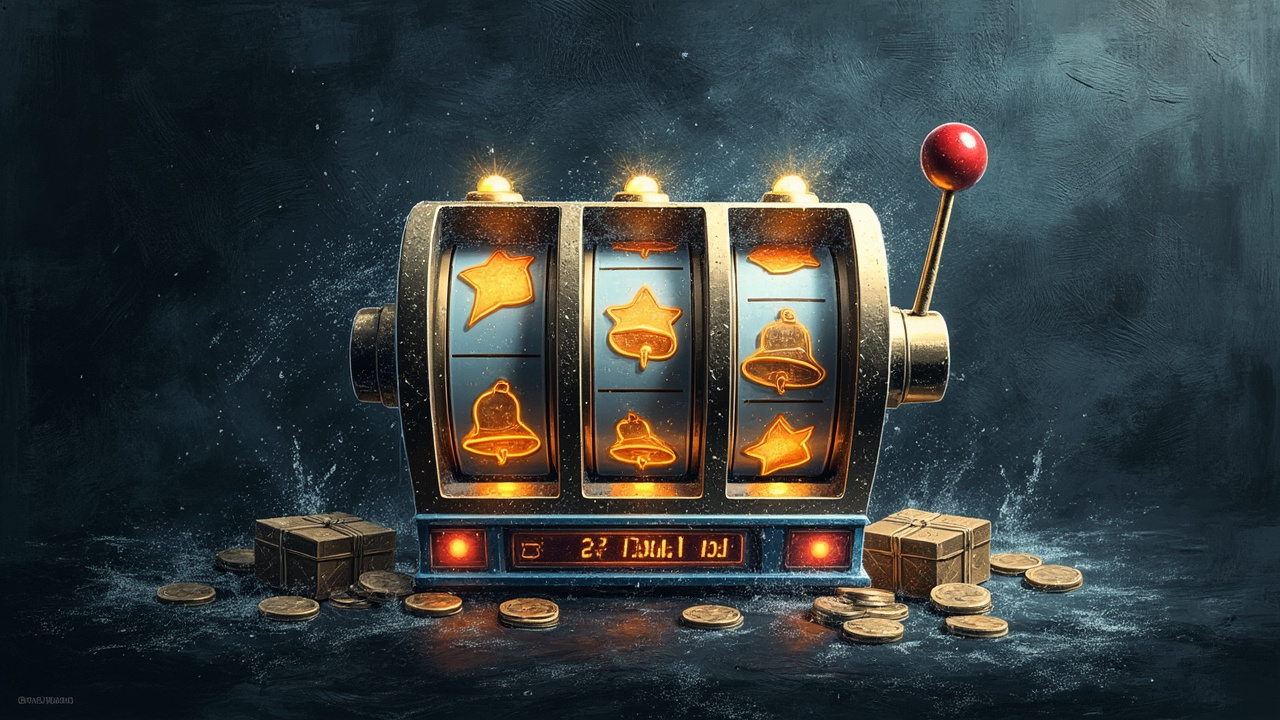
The Australian market has its own habits, and the software has to fit those rather than pretending every player sits down the same way. A lot of us treat pokies as a casual session activity, dropping in for a spin at the end of a shift or during a long weekend, which means the lobby and the game flow have to suit short, focused play as well as longer runs. The history of the machines themselves goes back further than most players realise, because the fruit symbols on classic slots, cherries and lemons, date back to those gum-dispensing machines, hence “fruit machines,” and that visual language still carries through to the modern builds even when the maths has moved well beyond a simple three-reel layout. That continuity matters, because it is part of why a familiar paytable and a clean spin button still feel right to a lot of Aussie players even when the game underneath is running a much more complex engine. Xn–dveloppeurweb-bhb
The regulatory picture is worth keeping in mind too, because Australia is not a single uniform market and the rules have always differed by state and territory. Tasmania and the Northern Territory permitted pokies under their own rules, which is a reminder that the same game can sit in different legal contexts depending on where you are playing and how the operator structures the offer. I have always been careful to say that offshore casino play is not licensed or regulated in Australia, because that distinction matters when you are judging whether a software build is meant for a properly overseen market or just thrown over the border with a marketing page and a hope. The technology can be excellent and still sit outside the protections that a local licence is supposed to provide, so the practical judgement is about what you are actually signing up for rather than how smooth the lobby looks.
If you compare that to how overseas markets handle the same technology, the difference is usually in how tightly the software is tied to regional compliance and player verification. In the UK and parts of Europe, the build often has to carry more mandatory prompts, limits, and session checks, while the US market tends to run a more fragmented setup where the same provider may serve different states with different rules and different game locks. Down here, the player experience is often less cluttered, but that also means the responsibility sits more on the player to understand what market they are actually in and what the software is not telling them. That is the kind of judgement I have made across poker rooms, VIP desks, and affiliate campaigns, because the technology is only half the story and the rest is how the operator uses it.
For players in regional New South Wales, the practical side often comes down to connection quality and device choice, because a polished html5 build still has to travel over the same networks as everything else. A player out near the coast or up a country road can get a very different session from the same game if the lobby is heavy or the server path is crowded, which is why I have always told affiliates and operators alike that the mobile experience is not a bonus feature, it is the main one for a lot of Aussie punters. The software should respect that reality by keeping the load light, the controls clear, and the maths easy to follow, rather than packing every screen with effects that look good in a demo and feel slow in a real session.
If you want a setup that actually suits the way you play, the real question is whether the software lets you move from lobby to game to cashier without friction, and whether the operator is honest about what market it sits in. A clean build, a clear paytable, and a lobby that does not hide the terms will usually tell you more than a flashy welcome offer ever will. I have seen enough sessions to know that the operators who last are the ones who treat the technology as part of the product, not just a wrapper for the marketing, and that is the standard worth judging them against.